As fall settles across Roosevelt, many homeowners on Long Island begin thinking about the heating season ahead. If your home relies on oil heat, as many residences in Roosevelt do, every bit of energy efficiency counts when those November winds start rolling in off the water. Your chimney damper plays a silent but critical role in that efficiency equation. A worn or poorly functioning damper can let warm air escape up the flue even when your fireplace isn't in use. For Roosevelt homeowners, addressing damper problems before winter arrives isn't just about comfort—it's about keeping heating costs under control during the months when your system runs hardest.
Roosevelt's housing stock includes many older homes built decades ago, when damper technology was far less advanced than what's available today. If your chimney damper is original to your house, it's likely a throat damper—the type that sits just above your firebox and seals the flue opening from inside the home. Throat dampers work by closing a metal plate or door across the flue passage. Over time, these mechanisms can warp, crack, or develop gaps around their edges. Even a small air leak around a throat damper means conditioned air flows straight up and out of your chimney during heating season.
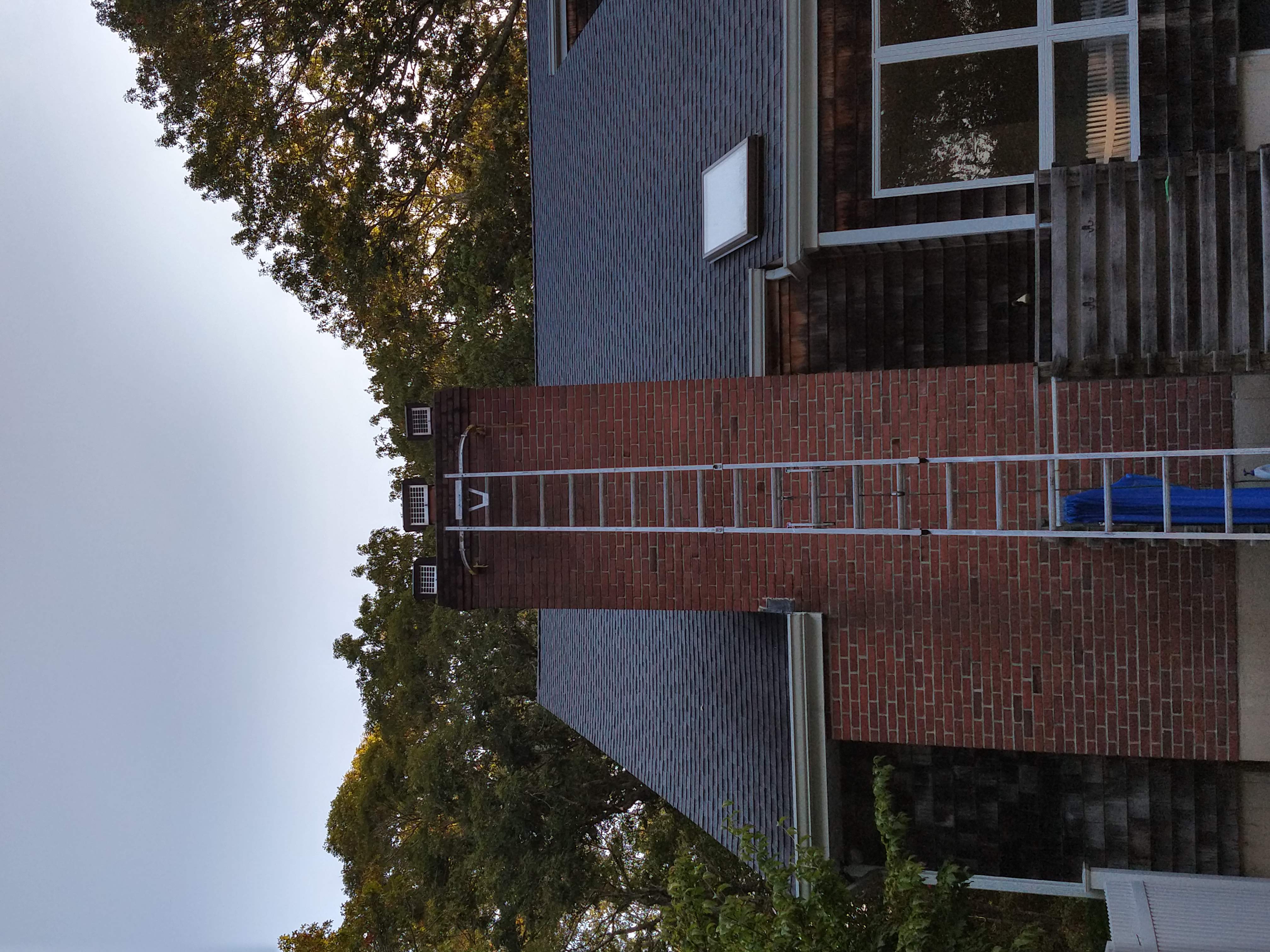
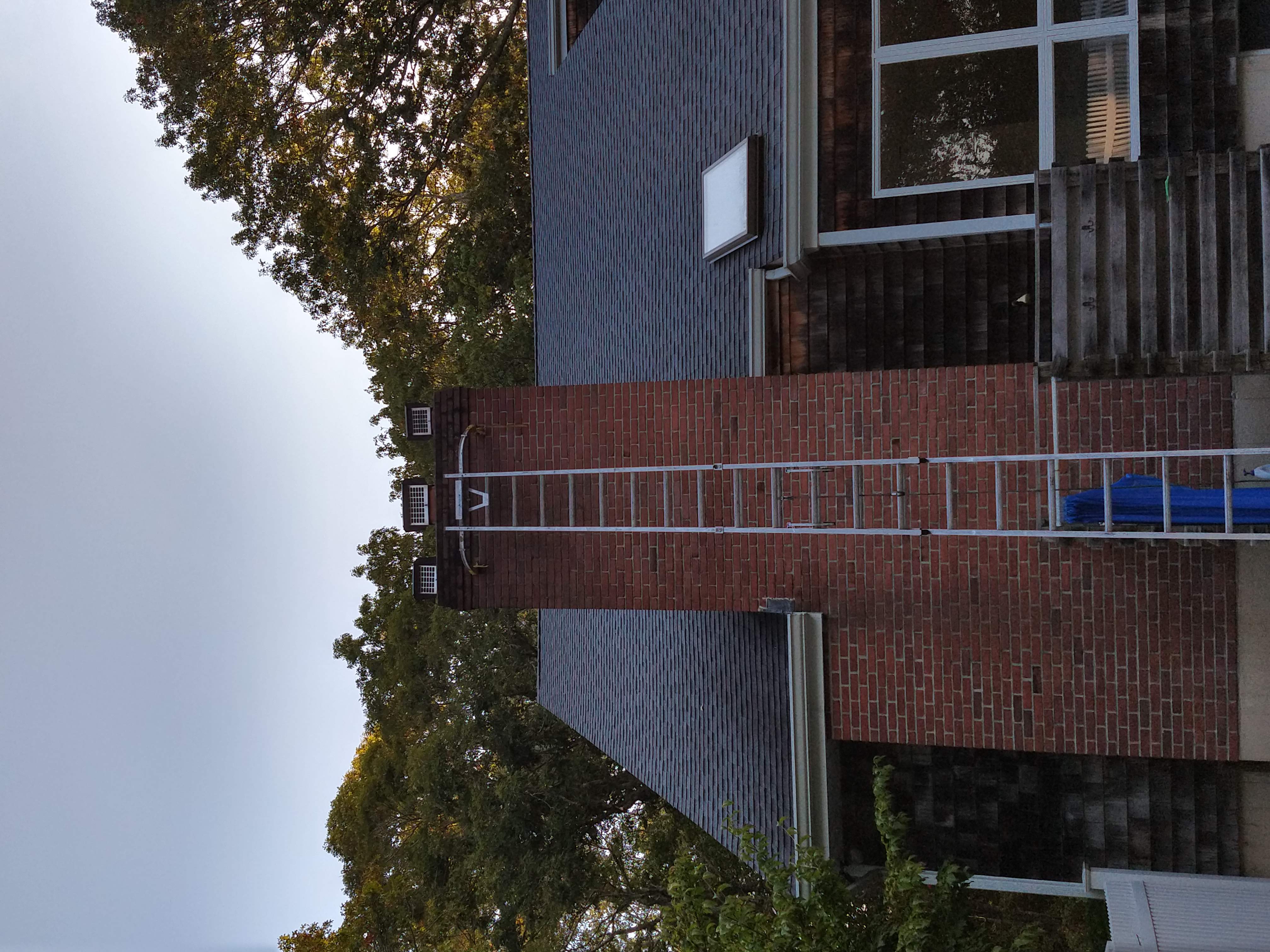
Top-sealing dampers represent a significant evolution in damper design and function. Unlike throat dampers that work from below, a top-sealing damper mounts directly at the top of your chimney stack. From this elevated position, it creates a weathertight seal right at the flue opening itself. When closed, a top-sealing damper blocks not only warm air escape but also prevents rain, snow, and debris from entering the chimney. The mechanical advantage of this location means better performance with less maintenance headache. Homes in Roosevelt benefit enormously from this upgrade, especially given our exposure to Atlantic weather patterns and coastal moisture.
The energy efficiency gains from switching to a top-sealing damper are measurable and real. When your furnace cycles on a cold January morning, you want that heat traveling through your home and radiating from your radiators or baseboards. A leaky throat damper diverts that expensive warmth straight up the chimney. Studies show that a faulty damper can account for significant heating loss over a winter season. Roosevelt homeowners who've made the switch consistently report noticing the difference in how their homes hold temperature. Even without changing anything else about their heating system, the improvement in draft performance becomes obvious within the first few weeks of regular use.
Drafting problems manifest differently depending on your damper type and condition. With a throat damper, you might notice cold air seeming to pour down your fireplace opening on windy days. You may feel a draft when sitting near your hearth, or notice that your home feels slightly harder to heat near the living room. These symptoms intensify during Nassau County's transitional seasons when pressure differences between indoors and outdoors fluctuate wildly. A top-sealing damper eliminates most of these complaints because it seals the opening completely from the outside. Rain and moisture can't penetrate the seal, and wind pressure differences have no pathway into your home through the chimney.
Beyond energy efficiency, there's a practical maintenance advantage to top-sealing dampers that residents of Roosevelt should understand. Throat dampers sit in the hot zone directly above your firebox, where creosote accumulation and chimney fire heat can degrade seals and moving parts. Top-sealing dampers operate in a much cooler environment at the roof line, extending their functional lifespan significantly. When you do need service or adjustment, it's often simpler and less invasive than working with a damper buried deep inside your chimney system. DME Maintenance has been serving homes on Long Island since 2001, and we've seen firsthand how top-sealing dampers hold up better over time than their throat-damper counterparts.
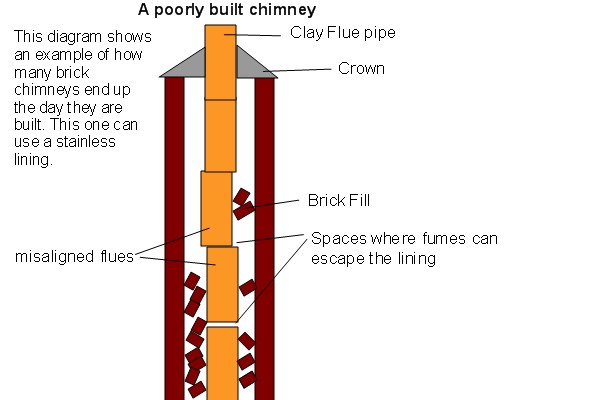
DME Maintenance serves every street in Roosevelt. We have been cleaning chimneys on Long Island long enough to know exactly what local homes need — from older clay-lined flues in pre-war houses to modern stainless steel liner systems in newer construction.
Roosevelt sits in a region where seasonal weather shifts happen quickly and dramatically. Late fall winds can turn chilly overnight, pushing homeowners to fire up their heating systems or fireplaces without warning. If you've been postponing damper evaluation or replacement, autumn is the ideal time to address it. Winter weather will stress an aging damper system and make drafting problems impossible to ignore. Don't wait until you're trying to stay warm and suddenly realizing your damper isn't sealing properly. Homes in Roosevelt benefit from proactive maintenance scheduled during the shoulder season, before the worst of the cold arrives.
The transition from a throat damper to a top-sealing model is straightforward for our licensed team at DME Maintenance. We'll evaluate your existing chimney setup, discuss which damper type makes sense for your flue configuration, and handle the installation with minimal disruption to your home. Our experience working on Roosevelt properties means we understand the specific challenges of homes in this area. We know how moisture travels, how seasonal wind patterns affect draft, and what performance improvements you can realistically expect. When you're ready to stop losing heat up your chimney and start feeling the difference in your home's comfort, call us at 516-690-7471. We'll schedule a time that works for your schedule and get your chimney ready for winter.